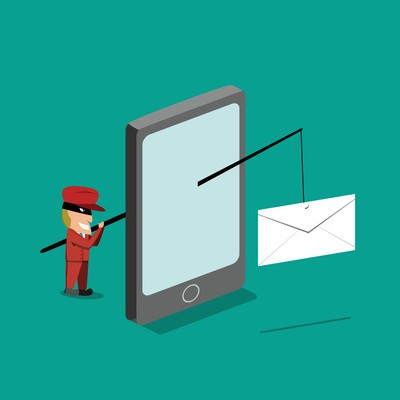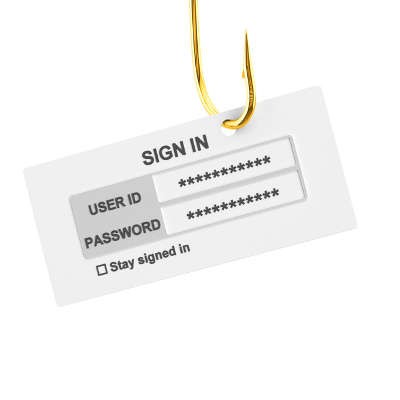



Microsoft’s latest Security Intelligence Report cites phishing attacks as the most prevalent cyberthreat. With the COVID-19 outbreak pushing large numbers of workers to their own homes, it is almost assuredly still the case. As a result, it is extremely important that you and your staff understand how to spot potential phishing attacks and what to do when confronted with an attack. Today, we will provide you some tips on how to identify and remediate such attacks.
Global Tech Solutions Blog
For many businesses, email plays a crucial role in the dessemination of information. Whether it is simply interacting with clients or pushing directions to individuals, email is a simple and efficient way to communicate. One problem that organizations are running into is that individuals are being inundated with social engineering messages called phishing. This strategy is causing major operational problems for businesses, from malware to data breaches to extended downtime. For this week’s tip, we identify what exactly phishing is and how it is used to the detriment of many businesses and other organizations.
When someone starts talking about social engineering, people often get confused. They think we’re talking about cloning. While having two of something you love may not be terrible, the social engineering we routinely cite is much, much worse. Social engineering is the act of using social interactions to get people to make cybersecurity mistakes. Today, we’ll take a look at social engineering and how it can have a negative effect on your business.
Over the last few years, there has been a meteoric rise in cybercrime, with nothing to indicate that rates will decrease anytime soon. Why would they? Bad actors and cybercriminals can make a pretty penny by attacking businesses, and they are only becoming more equipped and experienced in doing so.
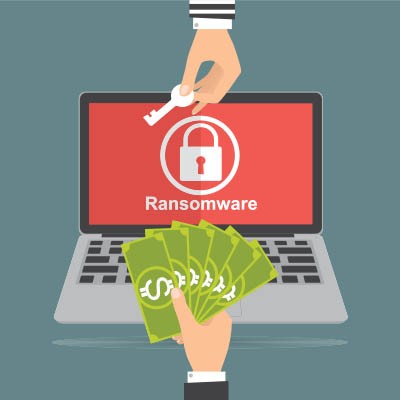
When people talk about cybersecurity nowadays, there certainly seems to be a lot of emphasis put on phishing attacks and ransomware. This is for good reason. Not only can either of these attack vectors create significant difficulties for a business, they are often used in tandem. Let’s discuss why these threats are so potent, and why they so often show up together.
Social engineering is a very important component of many modern cyberattacks, as the popularity of phishing scams goes to show. Protecting yourself from phishing scams will require you to be able to identify them. For today’s tip, we’ll go over a few warning signs that someone may be trying to phish you through your email.
Users seem to have a bit of a blind spot when it comes to solutions put out by Google, particularly the risks associated with Gmail. It’s almost odd to say: a security threat leverages Gmail. Unfortunately, it isn’t unheard of, as a phishing scam has been leveraging Gmail and its cooperation with Google Calendar for some time now.
October is National Cybersecurity Awareness Month, and we thought we’d share some of our very best tips and tricks to help you and your business keep your data and network safe in the modern ever-changing threat landscape. Cyberattacks can happen anytime, so being aware is crucial. That’s why cybersecurity in the modern business starts with you. It is your job to keep information safe. Sure, you can improve the tools you use to keep your infrastructure free from threats, but ultimately, to protect this data, you will need to stay vigilant.
We’ve all caught the obvious spam email, like the message that is clearly bogus, or the offer that is definitely too good to be true.
We’re going to confidently assume none of our readers are getting tricked by Nigerian Princes or getting roped into order virility drugs from an unsolicited email. The real threat comes from the more clever phishing attacks. Let’s take a look.
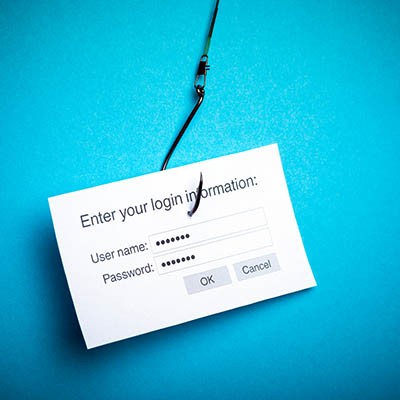
Chances are, you’ve heard of “phishing” - a cybercriminal’s scam that steals data, access credentials, and other sensitive information by fooling a user into thinking they are providing this information to someone who is supposed to have access to it. However, there are a few different kinds of phishing, based on how it is carried out. Here, we’ll discuss the realities of spear phishing, and the risks it poses to your business.
There are many threats out there in the online world that want to see your business suffer, and they will go to any lengths to make it happen. Now, we all have seen the various emails that these hackers and scammers might send to unsuspecting users, but these are only the beginning. The real threat comes from specialized phishing attempts, and they come in many different forms. We’ll help you identify them.
There’s a big reason why phishing is a primary threat to businesses, and it’s because this method gives hackers a relatively risk-free way of gaining access to a network or other resources. Even being aware of the issue is often not enough to prevent it, as hackers are known to get quite aggressive and crafty with their phishing campaigns. If only a fraction of the 57 billion phishing emails that go out every year are taken seriously, hackers make quite a bit of profit off of users.
Countless threats stand between your business and productivity, even if modern security solutions have prevented the majority of them from ever becoming a problem. The fact remains that, unless you’re being proactive about security, your organization could face a considerable challenge in keeping its network secure from intruders. We’ll delve into what some of these threats are, why they are such an issue, and what you can do about them.
Email is often touted as a favorite medium for launching cyberattacks against businesses and individuals. This is because it’s easy to hide the true intent behind an email attack within its contents, whether they are embedded images in the message itself, or links to external sources. How can you know for sure whether the links in your email inbox are legitimate?
Hackers are always trying to find creative and new ways to steal data and information from businesses. While spam (unwanted messages in your email inbox) has been around for a very long time, phishing emails have risen in popularity because they are more effective at achieving the desired endgame. How can you make sure that phishing scams don’t harm your business in the future?
Few security problems are more dangerous than a network breach. Considering how much you could lose from an unexpected bout with a hacker, it’s no surprise that businesses are concerned. Yet, even some of the most troublesome threats like phishing attacks are often ignored. A new study introduces the groundbreaking thought that phishing attacks should be at the forefront of a business owner’s mind regarding network security.
Phishing scams have had a supporting role in many of the latest cyber threats, often as the means the attacker has used to start off their attack. This attack vector is relatively easy to avoid in most cases, but requires education for the end user.
One thing that both fishing and phishing have in common is the use of lures. With the right lure, the chance of successfully catching the target improves. When it comes to the digital lures seen in phishing scams, research shows that social media is the most effective.