

When people talk about cybersecurity nowadays, there certainly seems to be a lot of emphasis put on phishing attacks and ransomware. This is for good reason. Not only can either of these attack vectors create significant difficulties for a business, they are often used in tandem. Let’s discuss why these threats are so potent, and why they so often show up together.
Global Tech Solutions Blog
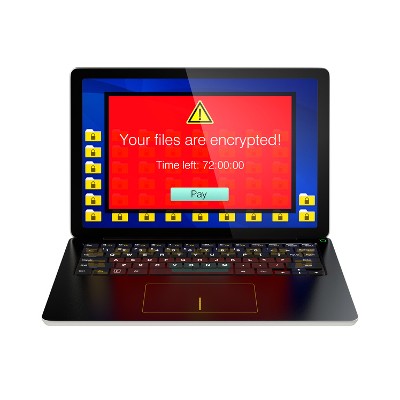
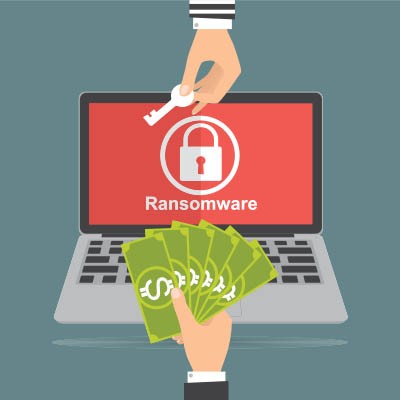
Ransomware has been a major problem for several years now, and 2018 continues to see this threat develop in unforeseen ways. Ransomware is malicious software that can encrypt data located on your device or network, with the encryption key only being available to those who pay a ransom. Ransomware is known today as one of the most pervasive threats out there. We’ll take a look at how ransomware has changed, what the future looks like, and how you can keep yourself safe.
2018 will see many changes to the way that businesses manage security, but unlike 2017, when many companies suffered from large high-profile data breaches, the trends aren’t as obvious as you might think. We’ll go over some of the potential trends we could see as a result of 2018’s security developments and why they matter to your business.
In 2017, ransomware became a huge threat for businesses, so when discussing how nefarious actors will be leveraging new ransomware streams in 2018, you have to do so with some urgency. Today we will provide some information on ransomware, the current trends, and some trends you have to be very mindful of going forward.
On May 11, 2017, the WannaCry ransomware spread around the globe like wildfire and disabled computing infrastructures belonging to organizations of all shapes and sizes. As the world watched the news unfold, it seemed as if practically no business was immune to this ultra-powerful ransomware. Yet, many quick-thinking organizations were. All because they had the foresight to follow IT best practices.
Run your Windows Updates and be very skeptical about opening unsolicited emails. Failure to do so may result in a very dangerous strain of ransomware that could infect your entire network and spread to your clients, partners, and prospects.
Society relies on law enforcement to enforce laws in a fair and just manner, but even the police have their work cut out for them when they are targeted by a cyberattack. A recent incident in Cockrell, Texas shows that not even the police are immune to the threats of ransomware--particularly the emerging brand of ransomware, Osiris.
Halloween is a time when we celebrate what scares us, like ghosts, goblins, ghouls, and the like. For adults, the holiday becomes more lighthearted with each passing year, due to the understanding that such monsters are fictional. Yet, there exists real monsters who know how to play on people’s fears, namely, hackers.
Ransomware, the malware variant that has appeared more and more frequently has struck again, this time targeting users of Microsoft Outlook in a zero-day attack. A malware variant of Cerber (a ransomware) was recently utilized in a large scale attack on users of the messaging program, sent via phishing emails to corporate users.
The Petya ransomware, a particularly vicious monster of a threat, has reared its ugly head once again, only this time, it’s not alone. Petya now comes bundled together with Mischa, yet another ransomware that works well alongside Petya. The ransomware is delivered via an inconspicuous email disguised as a job application, with a resume attached. Once the user downloads the file, Petya encrypts the files located on the device.
Ransomware is such a popular method of attack used by hackers that new variants of it pop up every few months. Among these is Petya, a nasty new ransomware that masquerades as an unsolicited resume in an organization’s email inbox. Don’t be fooled, though; the only work these hackers are looking for is to work you out of a couple hundred dollars.