

Malware is a bad thing. It’s right there in the name, as the prefix mal- comes from the Latin malus, which literally translates to “bad.” So, it only makes sense to try to keep it out of your business. Let’s discuss a few basics to form the foundation of your greater cybersecurity strategy.
Global Tech Solutions Blog
Sometimes a virus or malware infection can be so bad that the best solution is to completely wipe the device and start over with a factory reset. This can be pretty annoying. A new type of malware targeting Android devices just found a way to become even more annoying by being able to withstand a complete factory reset.
In the business world, it’s natural that you encounter those that want to see you fail, but there are also those that simply want to piggyback off your success. In many ways, security threats are a little bit of both, as they can potentially steal your data and leverage it to their benefit, as well as cause harm to your organization. We’ll dig into some of the details of the most common security threats and the risks they cause for your business.
There are many threats out there in the online world that want to see your business suffer, and they will go to any lengths to make it happen. Now, we all have seen the various emails that these hackers and scammers might send to unsuspecting users, but these are only the beginning. The real threat comes from specialized phishing attempts, and they come in many different forms. We’ll help you identify them.
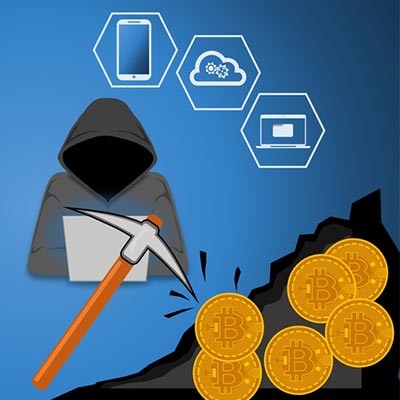
Cryptojacking is one of the upcoming threats that your business should have on its radar in the upcoming years. This process involves a malicious entity installed cryptomining malware on a device without the user’s permission. What this provides the hacker with is a steady stream of income at the expense of the victim’s device. What can you do to keep your business’ devices from falling prey to this?
Countless threats stand between your business and productivity, even if modern security solutions have prevented the majority of them from ever becoming a problem. The fact remains that, unless you’re being proactive about security, your organization could face a considerable challenge in keeping its network secure from intruders. We’ll delve into what some of these threats are, why they are such an issue, and what you can do about them.
Anyone that has spent any time online recently is sure to have come across something they’ve perceived as deplorable. For all the good that it does, some of the most divisive of human interaction happens on the web. Since it really depends on your perspective just how much negativity you take from the Internet, we’ll go through the good, the bad, and the ugly of the Internet to put into perspective just how it affects our lives.
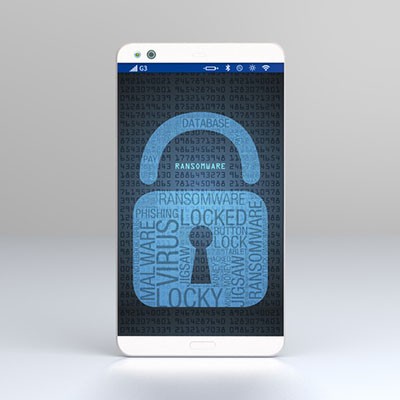
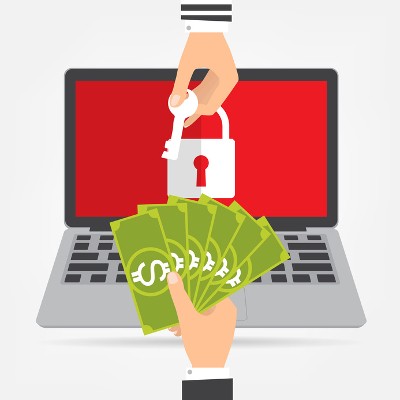
Ransomware has been a major problem for several years now, and 2018 continues to see this threat develop in unforeseen ways. Ransomware is malicious software that can encrypt data located on your device or network, with the encryption key only being available to those who pay a ransom. Ransomware is known today as one of the most pervasive threats out there. We’ll take a look at how ransomware has changed, what the future looks like, and how you can keep yourself safe.
Network security is a crucial consideration for every contemporary business owner, as there are just too many threats that originate from an Internet connection to be overlooked. One only has to look at what businesses of all sizes have dealt with, even within this calendar year, to gain an appreciation for how crucial it is that every business owner consider their cybersecurity.
Blockchain technology is mainly known for its use with cryptocurrencies. Even though the values of cryptocurrencies have leveled off after the incredible growth it has sustained over the past few months, users are still attempting to use cryptocurrencies to make a little bit of extra cash on the side. Of course, if there is money involved, you can bet that there will also be criminals and shady activity surrounding it.
A new type of malware is targeting routers in what is considered a large enough threat that even the FBI is addressing it. Even worse, a router isn’t necessarily a device that you think would be vulnerable to attack from a hacker. What can you do to keep your business’ Internet access points secure from hacking attacks? Let’s dig in to the details about what the VPNFilter malware does and how you can address it.
Hundreds of millions of people use wireless Internet connections every day, and as a result, hackers are taking that as a challenge. They are now starting to develop malware that targets people through their routers. Recently, security researchers at Kaspersky Lab have discovered the malware named Slingshot. The code is designed to spy on PCs through a multi-layer attack that targets MikroTik routers. Today we take a look at Slingshot, and other router-based malware and what you can do about it.
Email is often touted as a favorite medium for launching cyberattacks against businesses and individuals. This is because it’s easy to hide the true intent behind an email attack within its contents, whether they are embedded images in the message itself, or links to external sources. How can you know for sure whether the links in your email inbox are legitimate?
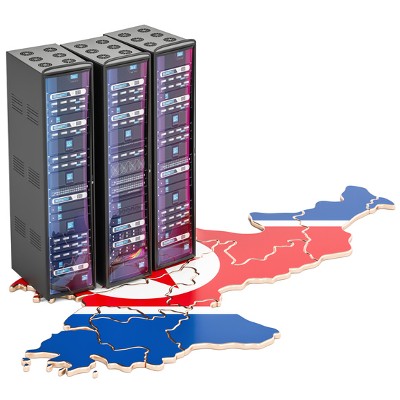
In a statement given by Tom Bossert, the homeland security adviser to the White House, blame for the WannaCry attacks leveraged from May 12th to the 15th in 2017 was attributed to the Democratic People’s Republic of Korea. This assertion is in line with the conclusions that New Zealand, Australia, Canada, and Japan have come to, according to Bossert.
It doesn’t matter which industry your organization falls into. Your business will always be susceptible to threats in some way, shape, or form. Therefore, it’s your responsibility to ensure that your business understands how to protect itself from these threats, before it’s too late. We’ll help you learn more about the various issues that you need to watch out for, and what you can do to stop them.
When you hear the term “hacker,” what do you imagine? You likely see what many see, a lone user hunched over a computer, creating chaos for chaos’ sake. However, this is a dangerously narrow view of those who qualify as “hackers.”
Society relies on law enforcement to enforce laws in a fair and just manner, but even the police have their work cut out for them when they are targeted by a cyberattack. A recent incident in Cockrell, Texas shows that not even the police are immune to the threats of ransomware--particularly the emerging brand of ransomware, Osiris.
Has this ever happened to you? You come across a free app online that seems interesting, entertaining, or helpful so you decide to download it? However, as soon as you click the download button you regret it as it begins to install browser toolbars, adware, and other annoying (and potentially dangerous) software onto your device? How can you keep this “crapware” from getting too out of hand, and why is it so popular in the first place?
Security is one of the most important parts of running a business, especially today when organizations rely so heavily on their technology solutions. Some of the most dangerous threats lurk on a business’s network, watching and waiting for an opportunity to do some real damage. With the right preventative measures, your business can catch these threats in the act before they can accomplish their goals.
The Petya ransomware, a particularly vicious monster of a threat, has reared its ugly head once again, only this time, it’s not alone. Petya now comes bundled together with Mischa, yet another ransomware that works well alongside Petya. The ransomware is delivered via an inconspicuous email disguised as a job application, with a resume attached. Once the user downloads the file, Petya encrypts the files located on the device.